


Overview
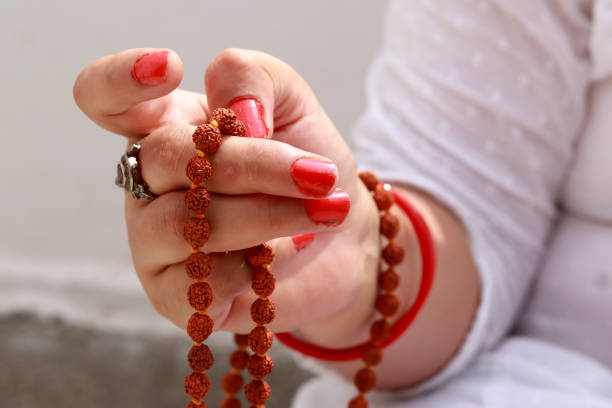
Rudraksha beads are revered and thought to possess both therapeutic and spiritual properties. However, the market is crowded with both real and fake beads because of their high demand. Finding the genuine ones is a challenge for many. The use of a magnifying glass is among the simplest and most efficient techniques. In this post, we’ll go over how to use this easy tool to check for authentic rudraksha and what characteristics to look for.
The Significance of Verifying Authenticity
The spiritual and physiological advantages associated with rudraksha are not available if you wear a fake or chemically altered one. Because of this, it is crucial to confirm its authenticity before purchasing or donning it. Because it enables you to see the bead’s natural development up close, the magnifying glass approach is dependable.
Taking Note of Natural Mukhis (Lines)
A rudraksha’s mukhi, or the naturally occurring vertical lines on its surface, are its most distinctive characteristic. You should be able to discern distinct, continuous lines connecting the two ends of the bead when using a magnifying lens. The bead may not be authentic if the lines seem to be drawn, unnaturally cut, or broken halfway. One of the most important steps in determining how to check original rudraksha.
Looking for Natural Texture
The distinctive surface roughness of rudraksha beads is derived from nature. The surface will appear rough, uneven, and have small natural holes when seen under a magnifying lens. Often, a false bead seems too polished or smooth. Since a real rudraksha shouldn’t have an artificial sheen, this is a glaring red flag.
Finding Holes That Are Drilled
The majority of genuine rudraksha beads contain a center hole that forms spontaneously. You can determine if the hole was drilled with tools or formed organically by using a magnifying glass. An fake hole looks too flawless and smooth, but a real one would have an irregular, fibrous appearance. You can avoid purchasing a duplicate by carefully examining this area.
Identifying Glue Marks or Cracks
Some vendors attempt to glue broken rudraksha together or alter them in some other way. You may quickly identify glue spots, fractures, and irregular joint lines by using a magnifying lens. These are clear signs of a phony bead. Real beads don’t exhibit any signs of fake manipulation, although they typically have inherent flaws.
Comparing with Imitations That Are Fake
A lot of imitation rudrakshas are constructed from plastic, wood, or plant seeds. Using a magnifying lens, you may see variations in design, gloss, and grain. While real rudraksha beads seldom appear the same, plastic ones are often consistent. You will feel more confident about your purchase if you know how to check the authentic rudraksha in this way.
In conclusion
A straightforward yet effective method for confirming a rudraksha’s genuineness is to use a magnifying lens. You can quickly tell the difference between genuine and phony beads by looking at their mukhis, texture, center hole, and inherent flaws. Always take the time to inspect a real rudraksha before wearing it, since it holds spiritual worth and heavenly energy. Understanding how to identify an authentic rudraksha guarantees that you will benefit from it in its fullest form rather than merely as a cosmetic item.