

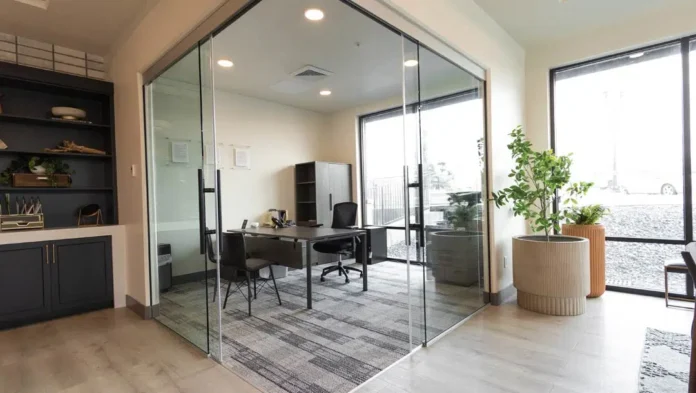

Setting up a new office or reorganizing an existing one can feel exciting in theory, but without a clear plan, it quickly turns into a frustrating guessing game. That’s exactly where professional office space planning makes a real difference. Instead of hoping the layout comes together by trial and error, space planning gives you a strategic roadmap that accounts for how your team works, how the space flows, and how both will need to evolve as the company grows.
Good space planning is part science and part intuition. It accounts for traffic patterns, departmental relationships, acoustic needs, natural light, and future headcount before a single desk gets moved into place. The result is a workspace that feels purposeful rather than improvised, where every area has a clear function and the layout genuinely supports the rhythm of the people using it every day.
Why Most Office Layouts Are Quietly Inefficient
The reality is that most offices weren’t designed from scratch for the teams that now occupy them. Companies move into spaces built for someone else, place furniture wherever it seems to fit, and then live with the results for years. Over time, small inefficiencies become embedded habits — meetings end up in hallways because conference rooms are always taken, focused workers get disrupted because their desks are beside high-traffic areas, and storage accumulates wherever there’s room rather than where it’s actually needed.
A structured space planning process lets you see these problems clearly before they become permanent. The ASID research library offers evidence-based guidance on how workspace decisions affect workflow, well-being, and long-term employee satisfaction—useful context for anyone making layout decisions that will shape the office for years to come.
Planning for Flexibility Means Planning for Growth
One of the smartest decisions you can make during a space planning process is to design for change rather than a fixed snapshot of today. Teams grow, work styles shift, remote policies evolve, and the technology people rely on keeps changing. A rigidly planned office with permanent configurations becomes a liability the moment those changes arrive, requiring costly renovation just to adapt.
Modular furniture, adaptable zones, and strategically placed infrastructure all make it possible to reconfigure without starting from scratch. For businesses navigating how hybrid and flexible work arrangements affect how physical space needs to be used, SHRM’s toolkit on managing flexible work arrangements offers practical frameworks that connect work policy decisions directly to how your office space should be set up and maintained.
The Returns You Don’t See Coming
It’s tempting to treat space planning as a logistical checkbox rather than a strategic investment, but the returns it generates are very real: fewer bottlenecks, better collaboration, lower employee turnover because people enjoy where they work, and significantly reduced renovation costs down the road because the layout was built to last. The time invested in getting it right from day one pays dividends every single day your team walks through the door.