


Are you tired of tripping over that uneven sidewalk? Does your pool deck look uneven, or is your driveway developing a dangerous slope? Sunken concrete is more than just an aesthetic issue; it’s a problem that compromises safety, diminishes property value, and leads to deep soil instability. People assume that the only solution is the costly, messy, and time-consuming process of tearing out the old slab and pouring a brand-new one.
But, there’s a smarter, less invasive solution that saves time, money, and hassle, that is mudjacking. It is an old repair technique that can restore your concrete surfaces to their original level. This comprehensive guide will walk you through exactly what mudjacking is, common signs you need it, how this process works, and the benefits of mudjacking.
What is Mudjacking Leveling
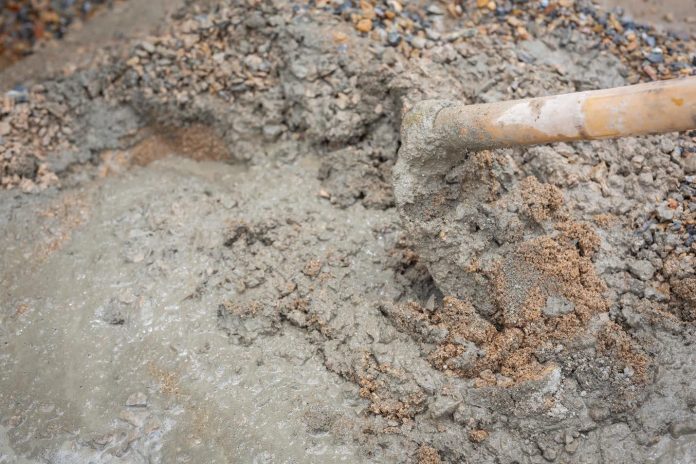
Mudjacking is a method to fix sunken concrete by drilling holes and pumping a cement–based slurry made of sand, water, and cement that lifts and levels the surface. It is a cost-effective solution instead of installing patios, driveways, and sidewalks.
Mudjacking is preferred due to its cost-effectiveness, as it is cheaper than replacing concrete. It efficiently fixes the underlying soil issues by filling gaps, offering a stable and long-lasting fix for sunken floors. It is less invasive and more sustainable.
Signs You Need Mudjacking
The following are the common signs indicating the need for mudjacking:
Uneven surface: If your driveway or patio has uneven slabs or has dips or bumps, it shows you need mudjacking.
Cracks in concrete: The cracks in the concrete show that the slab isn’t supported evenly.
Water pooling: If in some parts of your home, water is collected and not drained out, it means the surface has sunken.
Doors or windows misaligning: Sunken concrete can shift your home’s structure, which affects the alignment of doors and windows.
Sinking near foundation: If your slabs, like driveways, are sinking near your home’s foundation.
How Does Mudjacking Work
Here’s the step-by-step process of mudjacking:
1. Assessment
A professional assesses the area and determines the cause of sinking and confirms if mudjacking is a proper solution or not.
2. Drilling Holes
Then they plan placement and drill holes of a diameter of around 1.5-3 inches through the sunken concrete at planned locations.
3. Pumping Slurry
A slurry made up of cement, sand, and water is mixed on-site and injected through the drilled holes beneath the slab.
4. Sealing Holes
As the slurry fills the voids, it lifts the slab back to the desired height. After that, the holes are sealed.
5. Final Inspection
At last, a thorough inspection is conducted to ensure that the concrete is leveled and secured.
Benefits of Mudjacking
The benefits of mudjacking are as follows:
Cost-effective: It is cheaper than replacing the entire concrete slab, making it budget-friendly for everyone.
Versatility: Mudjacking can be used on a wide variety of residential and commercial concrete surfaces with minimal disruption.
Fast turnarounds: Usually, concrete replacement projects take weeks to complete, but mudjacking can be done within hours.
Environment Friendly: By reusing the existing concrete slab, mudjacking reduces the amount of construction waste sent to landfills.